14 Significant Hip Exercises to Build Muscle and Boost Mobility
Our hips are our body’s powerhouses, playing a key role in almost all of our motions, including standing, sitting, and running. They are an intricate joint system that is essential for mobility and stability. Our hips can, regrettably, become tight, weak, and restricted as a result of modern lifestyles that frequently involve extended periods of sitting. This can cause discomfort, bad posture, and an increased risk of injury to other areas, such as the knees and lower back.
It is essential for anyone looking to improve their overall movement quality, reduce pain, and increase their everyday functional capacity to invest in hip strengthening and mobility exercises. This thorough manual will provide 14 key hip exercises that will strengthen all of the major hip muscles and increase range of motion.
Why Focus on Hip Health?
Before diving into the exercises, understanding the profound impact of healthy hips highlights the importance of these movements:
- Injury Prevention: Strong and mobile hips help stabilize the pelvis and spine, reducing stress on the lower back, knees, and ankles.
- Improved Posture: Balanced hip muscles contribute to proper spinal alignment, alleviating slouching and associated pain.
- Enhanced Athletic Performance: For runners, lifters, and athletes of all kinds, powerful and flexible hips translate directly to better power, speed, and agility.
- Reduced Pain: Many cases of lower back pain, knee pain, and even foot issues can be traced back to hip dysfunction. Addressing hip strength and mobility can often provide significant relief.
- Increased Functional Independence: As we age, maintaining hip health is paramount for daily tasks like getting out of a chair, climbing stairs, and simply moving freely.
The Exercises: Strengthening and Mobilizing the Hips
This selection of exercises targets various hip muscles (flexors, extensors, abductors, adductors, and rotators) and promotes flexibility. Perform each exercise with control and focus on the muscle engagement.
For Beginners: Start with 8-12 repetitions for 2-3 sets for each exercise, or hold stretches for 20-30 seconds. Focus on form over quantity. For Progression: Increase repetitions, add resistance (bands, light weights), or hold stretches for longer durations.
Category 1: Hip Flexor and Extensor Focus (Front and Back of Hips)
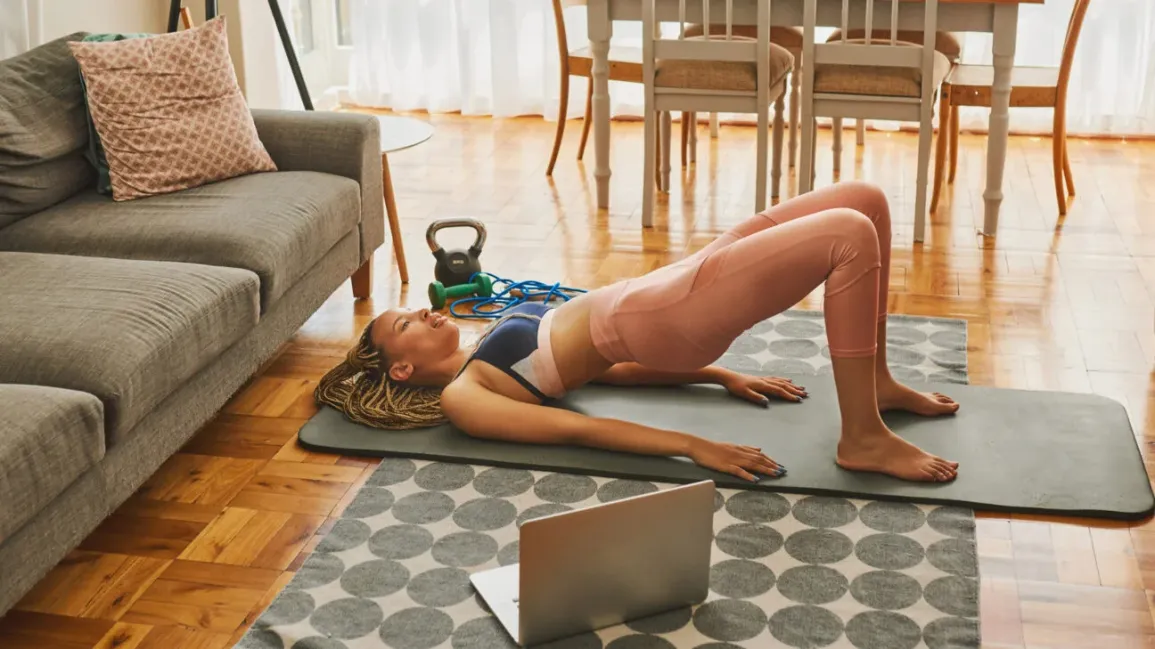
- Glute Bridge:
- How-to: Lie on your back, knees bent, feet flat on the floor hip-width apart. Press through your heels to lift your hips off the floor until your body forms a straight line from shoulders to knees. Squeeze your glutes at the top. Lower slowly.
- Benefits: Strengthens glutes and hamstrings (hip extensors).
- Hip Flexor March (Standing or Seated):
- How-to: Stand tall. Slowly lift one knee towards your chest as high as comfortable, engaging your hip flexors. Hold briefly, then lower with control. Alternate legs. Can be done seated.
- Benefits: Strengthens hip flexors and improves balance.
- Bird-Dog:
- How-to: Start on all fours, hands under shoulders, knees under hips. Extend your right arm straight forward and your left leg straight back simultaneously, keeping your core stable and back flat. Return to start. Alternate sides.
- Benefits: Strengthens hip extensors (glutes/hamstrings), core stability, and balance.
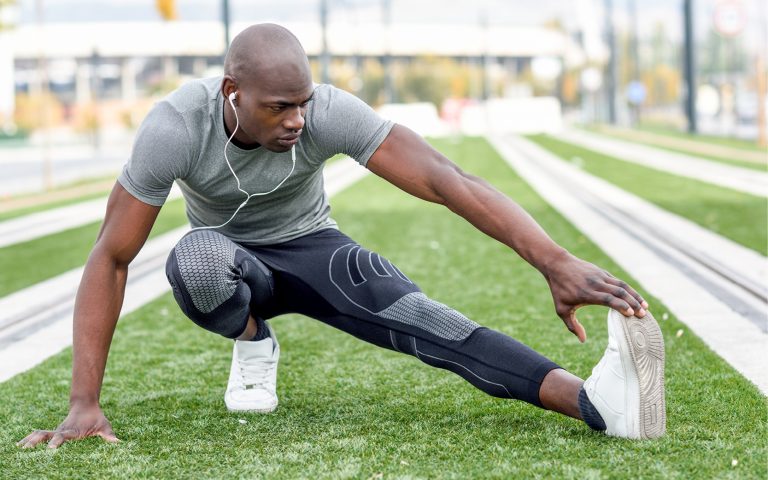
- Kneeling Hip Flexor Stretch:
- How-to: Kneel on one knee (pad under knee if needed), with the other foot flat on the floor in front of you, knee bent at 90 degrees. Gently push your hips forward until you feel a stretch in the front of the hip of the kneeling leg. Keep your torso upright. Hold.
- Benefits: Increases mobility in the hip flexors, crucial for counteracting prolonged sitting.
Category 2: Hip Abductor and Adductor Focus (Outer and Inner Thighs)
- Clamshell:
- How-to: Lie on your side, knees bent, feet stacked. Keep your feet together and rotate your top knee upwards, opening your legs like a clamshell, without letting your hips roll back. Lower slowly.
- Benefits: Strengthens hip abductors, particularly the gluteus medius, important for hip stability.
- Side-Lying Leg Raise:
- How-to: Lie on your side, legs stacked and straight. Keeping your top leg straight and core engaged, lift it directly upwards towards the ceiling. Lower slowly with control.
- Benefits: Strengthens hip abductors (outer thigh and glutes).
- Cossack Squat (Dynamic Mobility):
- How-to: Stand with a wide stance, toes pointed slightly out. Shift your weight to one side, bending that knee into a deep squat while keeping the other leg straight, foot flat or toe pointed up. Keep your torso upright. Alternate sides.
- Benefits: Increases mobility in hip adductors (inner thighs) and hip flexors.
- Side Lunge:
- How-to: Stand tall, feet hip-width apart. Step widely to one side, pushing your hips back and bending the knee of the stepping leg, keeping the other leg straight. Keep your chest up. Push off to return to start. Alternate sides.
- Benefits: Strengthens hip abductors, adductors, and quads, while improving lateral mobility.
Category 3: Hip Rotator Focus (Deep Hip Muscles)
- Figure-Four Stretch (Supine Pigeon):
- How-to: Lie on your back. Bend both knees, feet flat. Cross one ankle over the opposite knee, forming a “figure four.” Gently pull the bottom knee towards your chest until you feel a stretch in the glute and outer hip of the crossed leg. Hold.
- Benefits: Increases external rotation mobility and stretches the glutes and piriformis.
- 90/90 Hip Rotation:
- How-to: Sit on the floor with both knees bent, one leg rotated externally (shin parallel to your body) and the other internally rotated (shin perpendicular). Keeping your torso relatively stable, slowly rotate both knees to the opposite side, switching the lead leg.
- Benefits: Improves both internal and external hip rotation, enhancing overall hip mobility.
- Pigeon Pose (Yoga-Inspired Stretch):
- How-to: From all fours, bring one knee forward towards your wrist, with your shin ideally perpendicular to your body (adjust angle for comfort), and the other leg extended straight back. Lower your hips towards the floor. You can stay upright or fold forward.
- Benefits: Deep stretch for hip external rotators, glutes, and hip flexors of the back leg.
Category 4: Compound Hip Movements
- Goblet Squat:
- How-to: Stand with feet slightly wider than shoulder-width, toes slightly out. Hold a dumbbell or kettlebell vertically against your chest. Push your hips back and down as if sitting in a chair, keeping your chest up and core engaged. Go as deep as comfortable. Drive through heels to stand.
- Benefits: Strengthens all major hip extensors, quads, and improves hip mobility, especially with depth.
- Romanian Deadlift (RDL – Bodyweight or Light Weight):
- How-to: Stand with feet hip-width apart, knees slightly bent. Keeping your back straight and core engaged, hinge at your hips, pushing your glutes backward as you lower your torso towards the floor. Feel the stretch in your hamstrings. Return to standing by squeezing your glutes.
- Benefits: Strengthens hip extensors (hamstrings and glutes), improves hip hinge pattern and flexibility.
- Walking Lunge with Torso Twist:
- How-to: Step forward into a lunge. At the bottom of the lunge, gently twist your torso towards the front leg. Untwist, then push off to bring your feet together. Alternate legs.
- Benefits: Combines hip strengthening and mobility with core rotation, enhancing functional movement.
Integrating these 14 exercises into your routine, even a few at a time, will significantly contribute to stronger, more mobile hips. Consistency is paramount. Listen to your body, progress gradually, and soon you’ll experience a newfound freedom of movement and a remarkable reduction in discomfort, empowering you to move through life with greater ease and confidence.